NOPA Neighborhood Guide: Living in San Francisco's North of the Panhandle
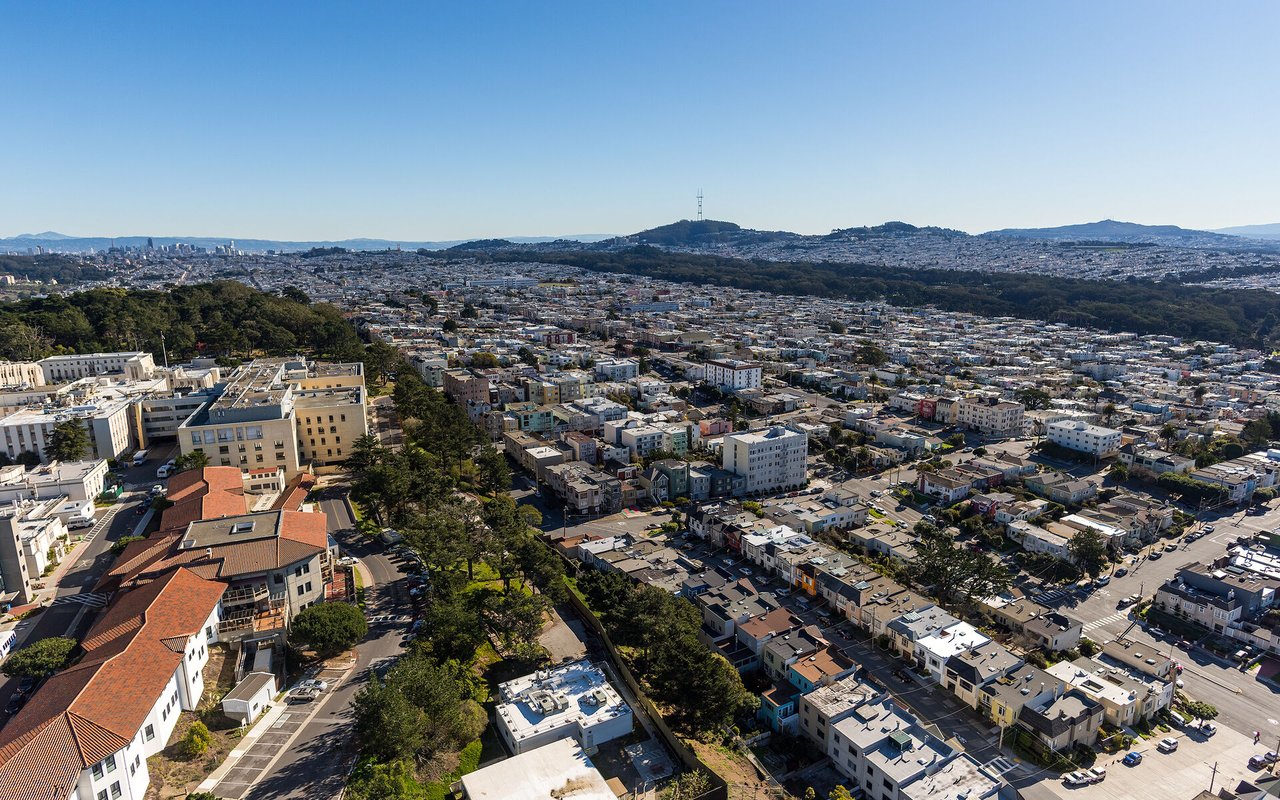
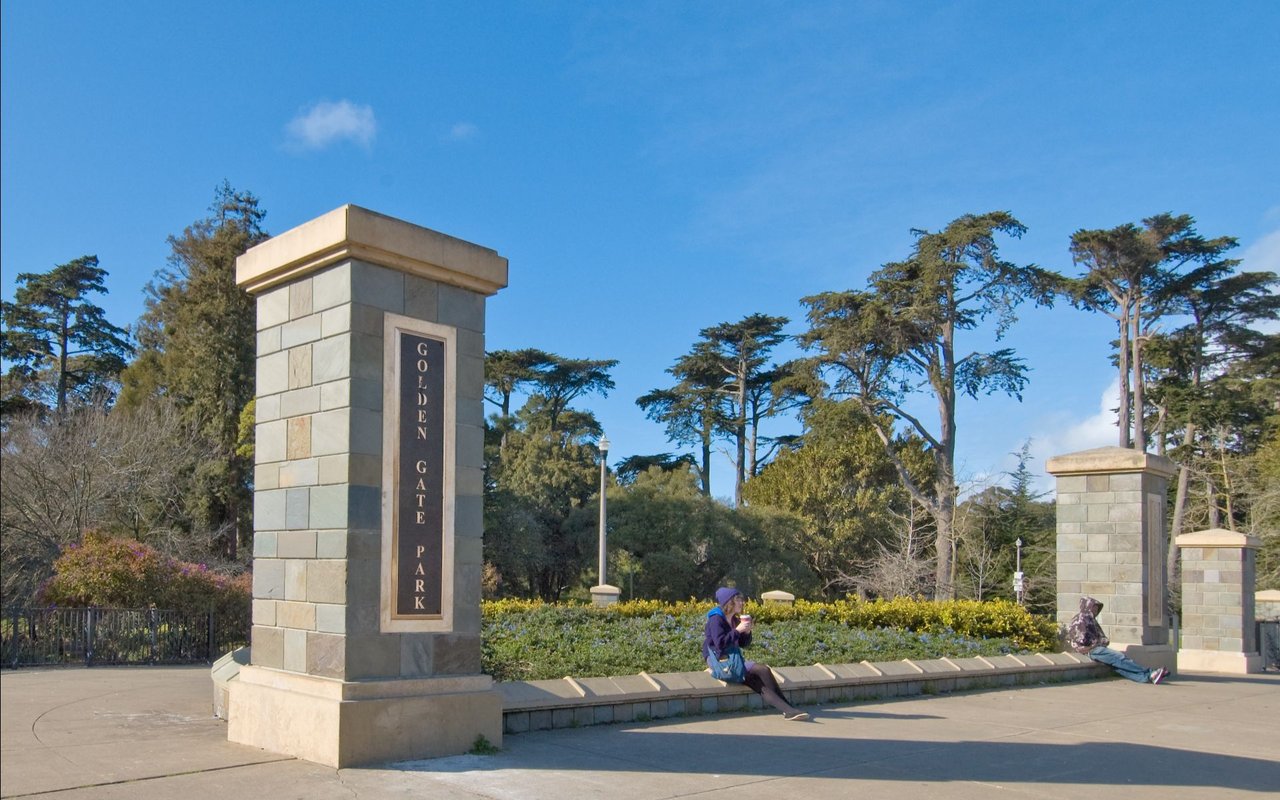
If there's one neighborhood in SF I'd live in three times, it's NOPA. Actually, I have lived there three different times. If you want to understand NOPA, start with its name: North of the Panhandle. It tells you exactly what you're getting, a narrow, walkable pocket of the city built around that long green ribbon of eucalyptus and grass that runs into Golden Gate Park. The neighborhood grew up out of the larger Western Addition, and you can still feel that history in the architecture. Some of the oldest Victorians in San Francisco are here, mostly untouched by the 1906 fires, standing shoulder to shoulder with newer condos and the occasional mid-century infill.
NOPA bleeds into the Western Addition. I might even consider them one and the same. It might be the most central and vibrant neighborhood in San Francisco, and I kept finding my way back to it. NOPA is central, commercial without feeling like a downtown, residential without feeling sleepy, and it has a personality that's a little grittier and a little more musical than its more polished neighbors.
Lifestyle
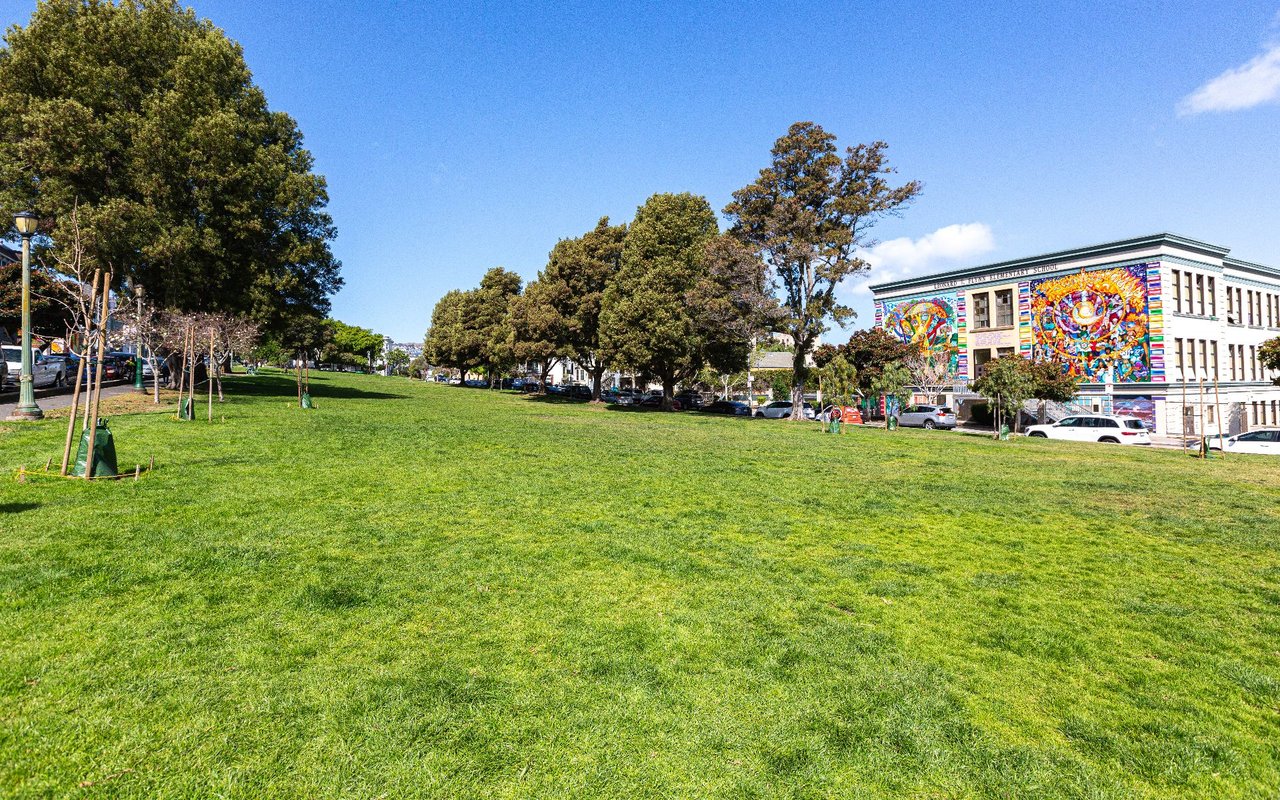
NOPA lives outside. That's the first thing you notice. The Panhandle itself is the heartbeat of the neighborhood: joggers, cyclists heading toward the park or to work downtown, dogs off leash in the mornings, kids on scooters or at the Panhandle playground. It's an easy mile loop under the eucalyptus trees, and on a clear day it's one of the best free things to do in the city.
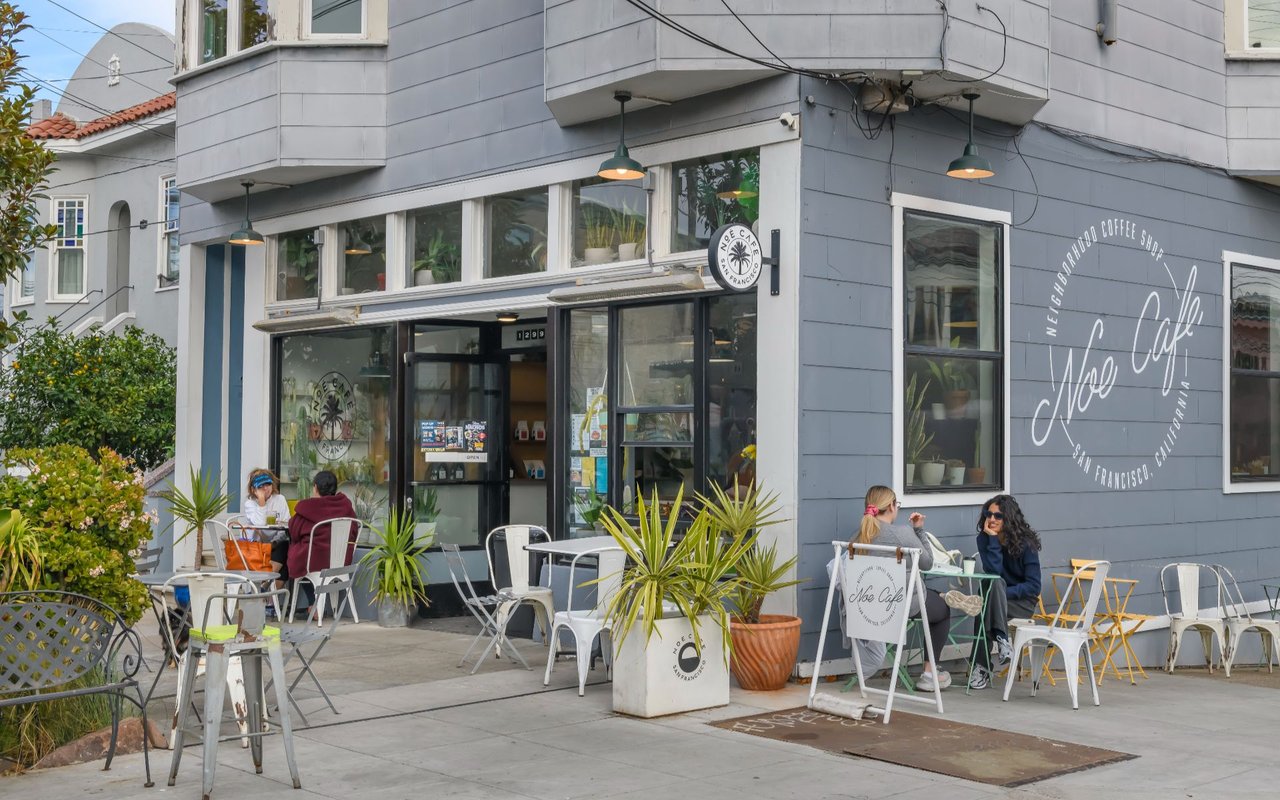
Divisadero and Fulton are the two commercial spines, and they've become genuinely destination worthy over the last decade. This is a neighborhood where you can walk to a wine bar, grab a smash burger, eat high end Italian, and really enjoy all sorts of diverse cuisines. In under 15 minutes, you can walk from the Panhandle to Alamo Square. It's popular with young professionals and families who want that mix of urban energy and residential calm, and it draws people who grew up in the Bay Area alongside newer transplants who fall for it fast.
It's also, worth saying, a neighborhood with real history and real texture. The Western Addition is the larger area that has deep roots in San Francisco's jazz history and its Black community, and that layered past is part of what makes NOPA feel less curated than some of the city's other pockets. It's lived in, not staged.
Real Estate
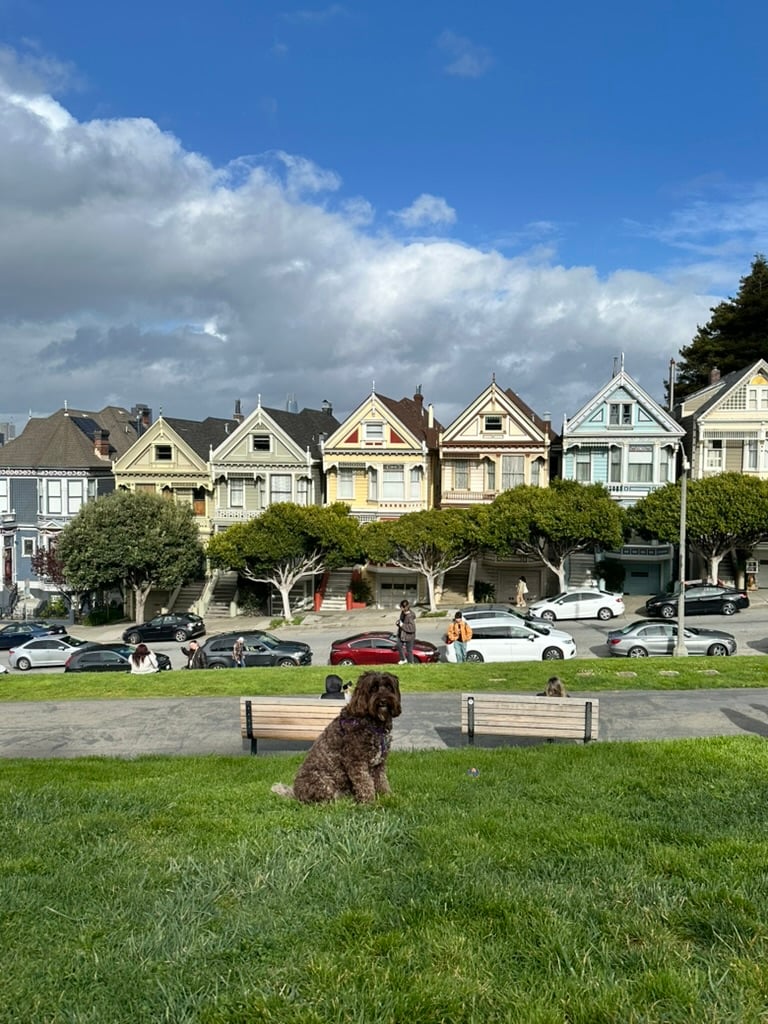
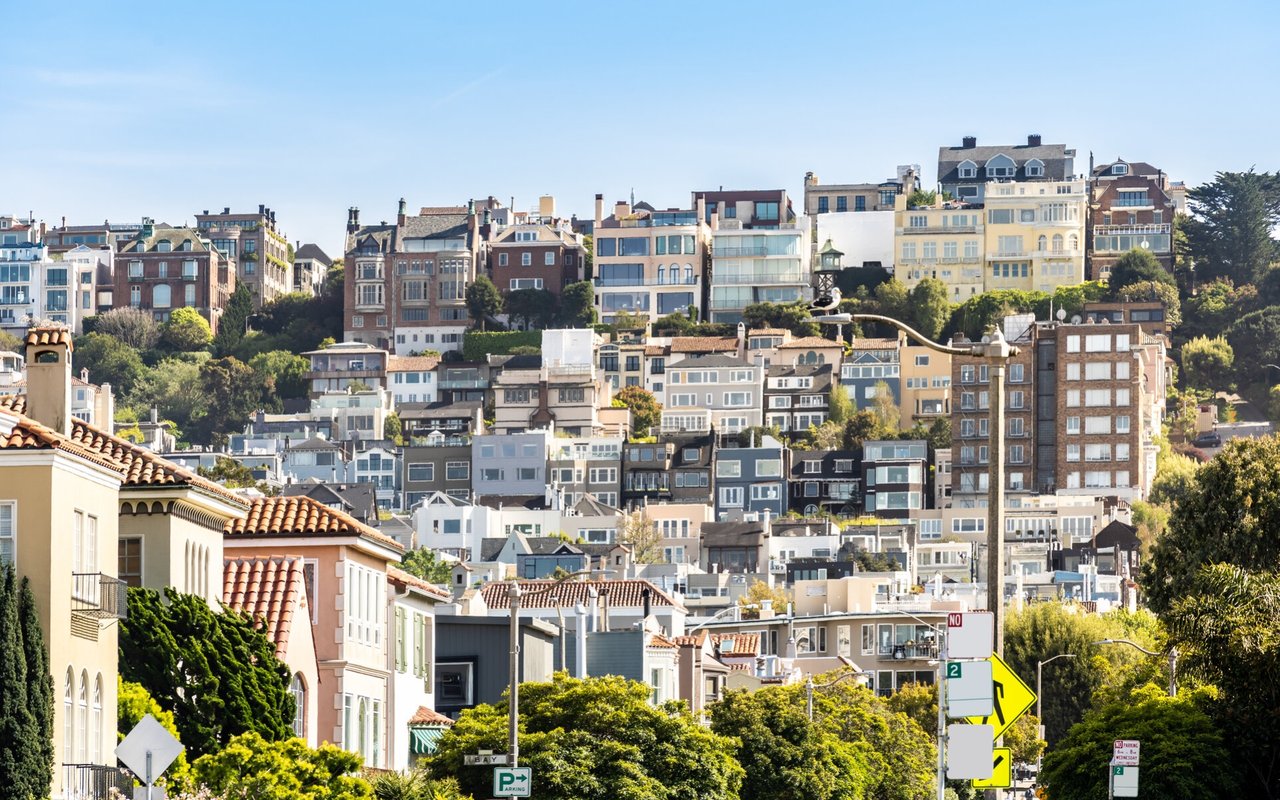
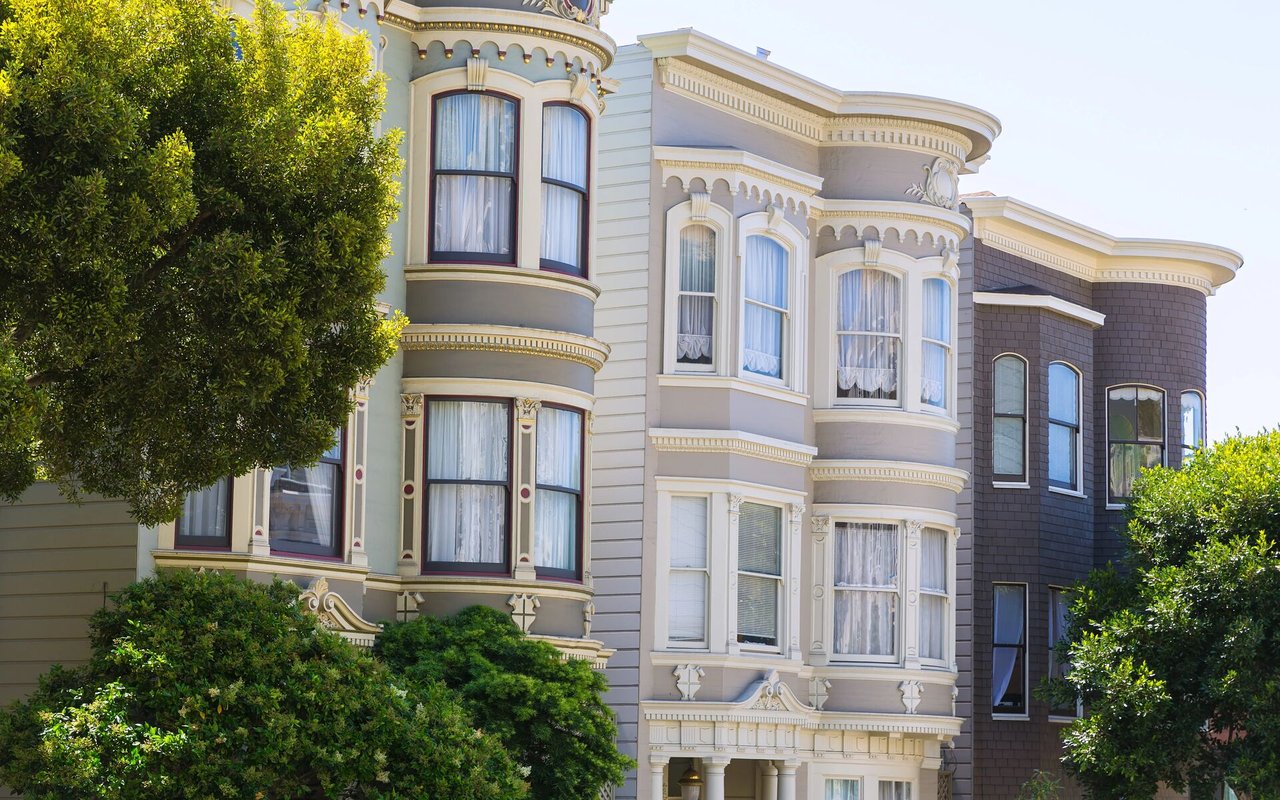
Housing stock in NOPA is a mix of Victorian and Edwardian buildings, many split into condos, alongside three story flats and some contemporary construction. Bay windows, colorful facades, and ornate trim are the norm, though you won't find quite the fantasy-scale gingerbread of the Painted Ladies just a few blocks away at Alamo Square.
The market here has been active. Condos generally range from the high six figures into the low seven figures, and larger single family Victorians and townhouses can run well beyond that, depending on size, condition, and whether the original details have been preserved or updated. Like most of San Francisco, NOPA cooled during the pandemic years and has been steadily heating back up since 2023.
What buyers love about NOPA from a resale standpoint: it's flat, it's walkable, and it sits within easy reach of the Panhandle, Golden Gate Park, Hayes Valley, the Haight, and Alamo Square. That centrality tends to hold value well, and it's part of why I point clients here when they want character architecture without giving up walkability.
Things To Do
Walk the Panhandle. This is the neighborhood ritual. About a mile end to end, shaded by towering eucalyptus, full of dogs, bikes, and Sunday morning regulars. It's the easiest way to understand why people fall for NOPA.
Alamo Square. A few blocks south and technically its own pocket, but no NOPA guide is honest without it. Great for dogs, better for sunset, and the view of the Painted Ladies against the skyline never gets old, no matter how many times you've seen it on a postcard.
Nopa. The restaurant the neighborhood is named for, more or less, and still one of the best in the city. My move is the bar: split a burger, order a couple of cocktails, and just take in the room. It's warm, it's loud in the best way, and it feels like San Francisco at its most alive.
Bar Crudo. One of the best happy hours in the city, hands down. Oysters, fish tacos, and the trout crudo are the moves. It's casual enough for a Tuesday and good enough for a celebration.
Fool's Errand. Wine, beer, and popcorn, and somehow that combination just works. It's low pressure and genuinely fun, which makes it one of my favorite recommendations for a first date or a first meeting with someone new.
The Perish Trust. Part shop, part gallery, all rabbit hole. Art, books, cards, fragrance, natural beauty products, and jewelry that's worth slowing down for. Give yourself more time than you think you need, you will get pleasantly lost in here.
Black Nose. If you have a dog in this neighborhood, you already know this spot. Daycare, walks, boarding, and supplies, all handled by people who clearly love animals. In a neighborhood this dog obsessed, that matters.
The Mill. A note here, because it's a real loss for the neighborhood right now: The Mill, home to Josey Baker Bread, is currently closed after a fire in their kitchen this past summer. No one was hurt, and the community response has been a genuine reminder of what makes this pocket of the city special. I'm hopeful they'll be back, and when they are, the seed bread alone is worth the trip. Check their site or Instagram before you go in the meantime.
The Bottom Line
NOPA is one of those San Francisco neighborhoods that rewards people who want to actually live in their city, not just look at it. It's walkable, it's dog friendly, it's architecturally beautiful, and it has enough history and grit to keep it from ever feeling like a stage set. If you're weighing NOPA against a neighborhood like the Castro or Noe Valley, the biggest difference is pace: NOPA runs a little younger, a little louder, and a little more spontaneous.
If you're curious whether NOPA fits your life, or how it compares to a neighborhood like [Castro] or [Bernal Heights], I'm always happy to talk through it. That's the fun part of my job.
Quick Answers
What does NOPA stand for? NOPA stands for North of the Panhandle, referring to its location just above the narrow strip of Golden Gate Park known as the Panhandle.
Is NOPA part of the Western Addition? Yes. NOPA was carved out of the larger Western Addition neighborhood and is sometimes still referred to by that name, especially in real estate listings.
Is NOPA a good neighborhood for families? NOPA works well for families who want walkability and green space, with the Panhandle playground, Alamo Square, and Golden Gate Park all within an easy walk. It's a flat, stroller and scooter friendly layout, and the neighborhood's mix of long time residents and young families gives it a settled, lived-in feel.
What is NOPA known for? NOPA is known for its Victorian and Edwardian architecture, its proximity to the Panhandle and Golden Gate Park, and a strong restaurant and bar scene along Divisadero Street, anchored by restaurants like Nopa and Bar Crudo.